
Cosmetic Dentistry
Dental Bonding in Herndon, VA
Dental bonding uses tooth-colored composite resin to repair small chips, close minor gaps, reshape uneven edges, and improve localized discoloration.
Treatment Overview
Conservative Cosmetic Repair With Composite Resin
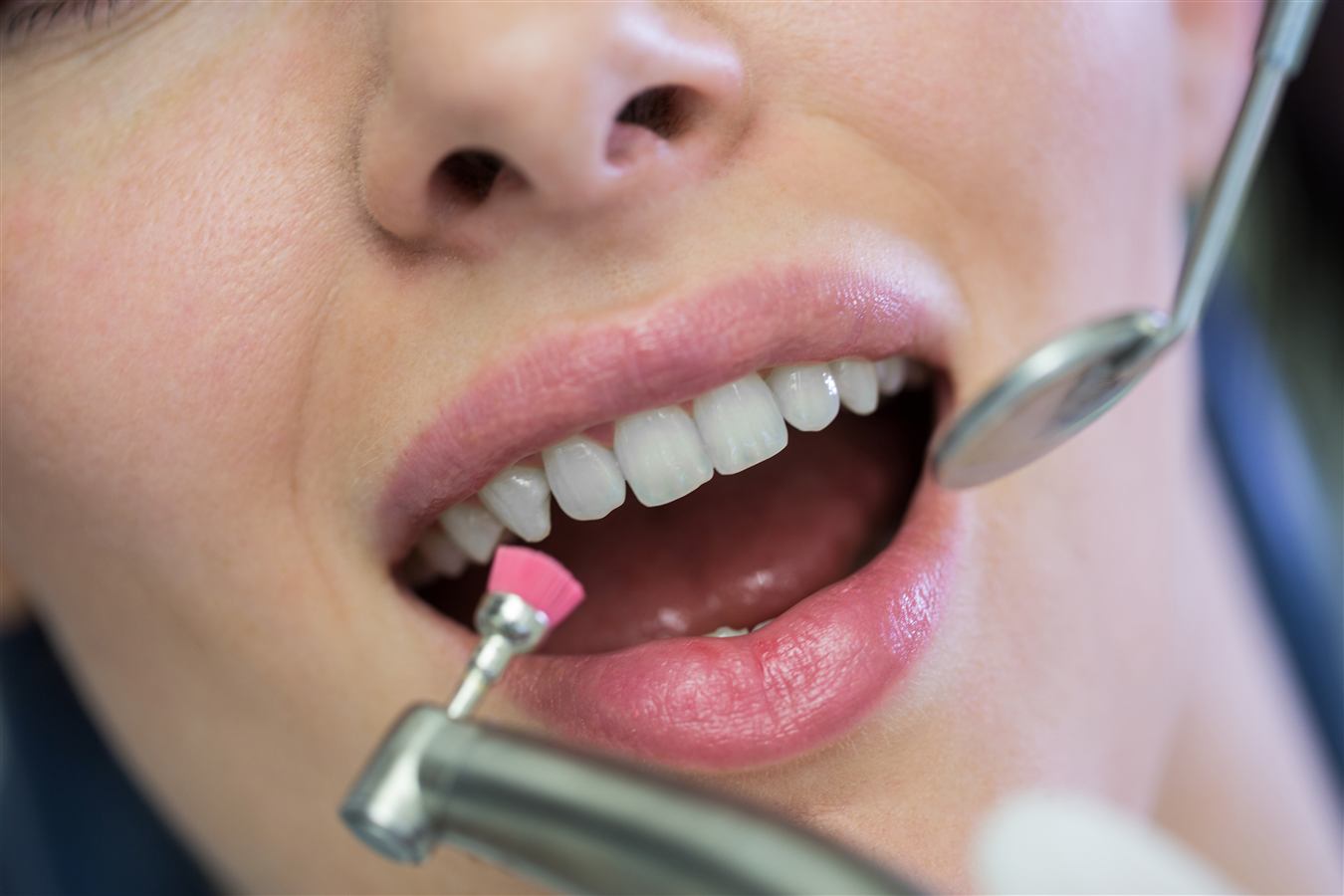
Bonding is best for small, targeted cosmetic changes. The resin is matched to your tooth color, shaped, and polished so the repair blends with the smile.
We match the composite shade to your teeth.
The tooth is gently prepared and bonded.
The resin is shaped and polished for a natural finish.
Detailed Guide
Understanding Dental Bonding
Dental bonding uses tooth-colored composite resin to repair small chips, close minor gaps, reshape uneven edges, and improve localized discoloration. At Caring Dental of Herndon, this service is not treated as a generic item on a menu. The recommendation starts with a dental exam, a conversation about symptoms or goals, and a review of what the tooth, gums, bite, and surrounding structures can realistically support.
Bonding is best for small, targeted cosmetic changes. The resin is matched to your tooth color, shaped, and polished so the repair blends with the smile. The purpose of the visit is to help patients understand the diagnosis and the reason behind the recommendation. For some patients, dental bonding is the most conservative option. For others, it may be one part of a larger plan that also involves prevention, restorative care, cosmetic planning, orthodontics, implant treatment, or follow-up maintenance.
Good dental care should be clear before it is performed. Dr. Ahmad Hatahet, DMD and the Caring Dental of Herndon team explain what they see, why it matters, what choices are available, and what can happen if treatment is delayed. Patients are encouraged to ask questions about timing, materials, expected results, cost considerations, insurance, and how the treatment fits their long-term oral health.
When It May Be Recommended
Dental Bonding may be discussed when an exam shows that the current condition is affecting comfort, appearance, chewing, cleaning, stability, or confidence. The exact reason depends on the diagnosis, but the goal is always to choose care that solves the real problem instead of only covering the symptom.
How We Plan Treatment
Planning focuses on appearance, tooth proportions, color, and how the result fits the rest of the smile. The team reviews the clinical findings, listens to the patient’s priorities, and explains the sequence of care in plain language. When images, X-rays, digital scans, or photographs are helpful, they are used to make the plan easier to understand.
What Patients Should Expect
Some cosmetic visits can be completed in a single appointment, while larger smile changes may need planning, records, shade selection, and staged treatment. Comfort is planned before treatment begins. The team explains what the appointment involves, how the area is kept comfortable, and what patients may feel afterward. Before leaving, patients receive instructions for home care, follow-up, and signs that should prompt a call to the office.
Benefits of a Careful Cosmetic Dentistry Plan
A thoughtful plan helps patients avoid confusion. Instead of jumping directly into treatment, the visit connects symptoms, exam findings, treatment choices, and maintenance. That is especially important when a patient has more than one concern, such as sensitivity, old dental work, missing teeth, bite wear, gum inflammation, crowding, or cosmetic goals.
For many patients, the main benefit is predictability. Dentistry is most successful when the patient understands what the treatment is meant to accomplish and what it cannot do. The team reviews realistic outcomes, possible alternatives, and the care needed afterward so patients can make informed decisions.
Another benefit is coordination. Dental Bonding in Herndon, VA may affect other parts of the mouth, including nearby teeth, gum tissue, bite forces, hygiene access, and future dental work. Caring Dental of Herndon looks at the full picture so today’s treatment does not create avoidable problems later.
Aftercare and Long-Term Maintenance
The long-term success of dental bonding depends on daily care and regular dental visits. Brushing, flossing, cleaning around dental work, wearing recommended appliances, and returning for exams all help protect the result. If a restoration, aligner, implant attachment, or treated tooth feels different after the visit, the office should be contacted so the team can check the fit or bite.
Patients should also keep routine cleanings and exams. These visits give the team a chance to monitor the treated area, evaluate gum health, check bite forces, and catch early changes before they become more difficult to manage. For patients with a history of cavities, gum disease, grinding, missing teeth, or complex dental work, maintenance may be customized.
Caring Dental of Herndon serves patients at 100 Elden St STE 12 in Herndon, VA. Patients can call (703) 303-7777 or request an appointment online to discuss dental bonding, compare options, and understand the next step before starting care.
Questions About Dental Bonding
Is bonding the same as veneers?
No. Bonding uses composite resin applied directly to the tooth. Veneers are custom porcelain restorations.
How long does bonding last?
With good home care, bonding can last several years, though it may need touch-ups over time.
Ready to Talk About Dental Bonding?
Schedule a visit with Caring Dental of Herndon at our single Herndon office.
Book Appointment